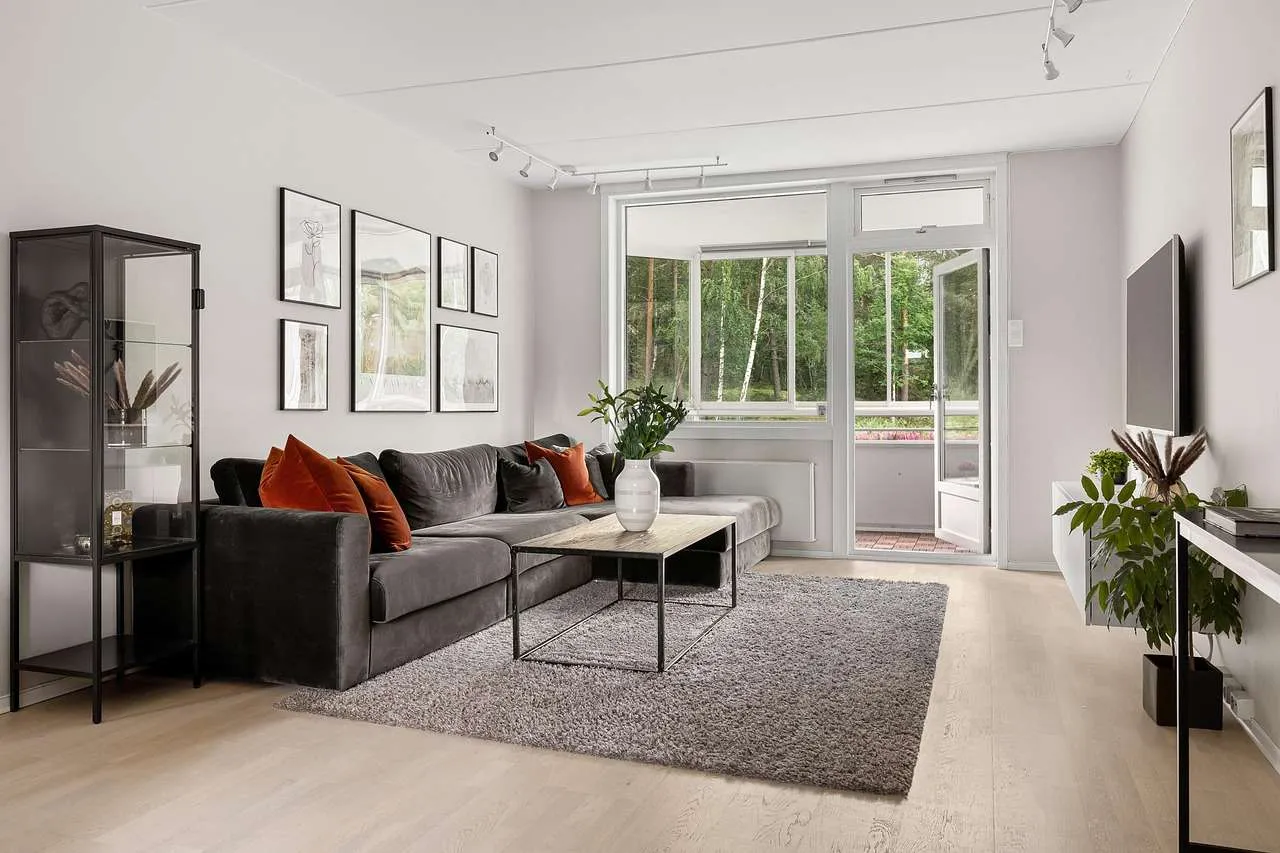
Understanding Home Window Tinting
Home window tinting is a practical upgrade that improves comfort, protects interior furnishings, reduces energy use, and enhances privacy. By selecting the right tint film and a professional installation, homeowners can lower heat gain in summer, block harmful UV rays, and maintain clearer exterior views. This article draws on years of industry experience to help you assess options, avoid common pitfalls, and meet EEAT expectations on expertise, authority, and trustworthiness.
Benefits of Home Window Tinting
Key advantages include energy efficiency, glare reduction, UV protection, and enhanced privacy without sacrificing natural light. Modern films can reject heat without making interiors dark, preserving daylight and improving comfort in living rooms, kitchens, and home offices. With proper installation, tinting also helps protect furniture, flooring, and artwork from fading caused by ultraviolet exposure.
Common Types of Tint Films
Dyed Films
Dyed films are the most affordable option. They absorb heat and reduce glare, improving comfort. However, they may fade over time and offer moderate durability compared with advanced films.
Metalized Films
Metalized or reflective films provide superior heat rejection and privacy. They can interfere with some electronic signals and may give a mirrored appearance from the outside, depending on lighting and angle.
Ceramic Films
Ceramic films are popular for their high heat rejection, excellent UV protection, and strong clarity. They are non metallic, which minimizes signal interference and maintains better visibility at night and in low light.
Carbon Film
Carbon films offer natural color without excessive reflectivity and provide solid heat rejection and UV protection. They resist glare well and typically maintain their appearance over time.
Hybrid or Composite Films
Hybrid films blend dyed, metalized, or carbon components to balance cost, performance, and aesthetics. They can deliver good heat rejection with moderate durability and less risk of interference.
Comparison at a Glance
| Film Type | Heat Rejection | UV Blocking | Privacy | Durability | Signal Interference |
|---|---|---|---|---|---|
| Dyed | Medium | High | Low to Medium | Moderate | Minimal |
| Metalized | High | High | High | Moderate | Possible interference |
| Ceramic | Very High | Very High | High | High | None |
| Carbon | High | High | Medium | High | Minimal |
| Hybrid | High | Moderate to High | Medium | Moderate to High | Low |
Choosing the Right Film for Your Home
Consider climate, room usage, and privacy needs when selecting a film. South- or west-facing windows typically benefit most from higher heat rejection. If glare is a concern for screens or workspaces, a lighter tint with good UV protection can balance visibility and comfort. Local privacy expectations, HOA rules, and building codes may influence the darkest permissible shade, so check regulations before purchasing.
Legal, Safety, and Quality Considerations
Compliance is essential. Many jurisdictions regulate tint darkness and reflectivity, especially for front windows. Choose films from reputable manufacturers with warranties and obtain a professional installation to ensure even coverage and proper bonding. Look for certifications, installation standards, and care guides. Non-qualified work can peel, bubble, or void warranties, undermining long-term value.
Installation and Maintenance
Professional installation ensures proper surface preparation, accurate film sizing, and clean bonding to the glass. A typical process includes window cleaning, film cutting, edge sealing, and curing time. Maintenance is simple: clean with a soft cloth and a non-ammonia cleaner to avoid haze or weakening. Avoid abrasive tools and harsh chemicals that can scratch or degrade the film over time.
Cost and Return on Investment
Costs vary by film type, window size, and installation complexity. Dyed films are typically the most affordable, while ceramic or carbon films carry higher upfront costs but offer superior performance and longer lifespans. Energy savings, extended furniture protection, and reduced glare can offset costs over time. A professional installation often includes warranties that cover peeling, bubbling, or discoloration for a defined period, adding assurance for homeowners.
For homeowners, evaluating total value rather than upfront price is essential. Ask installers for energy performance data, visible light transmission (VLT) ranges, and UV blocking percentages. Request references and confirm the film warranty terms to ensure long-term satisfaction.
Conclusion, home window tinting serves as a strategic upgrade for comfort, energy efficiency, and protection of interiors. By understanding film types, verifying legal compliance, and choosing a qualified installer, you can maximize performance and preserve home value while enjoying improved living spaces.