Introduction
Choosing the right bathroom tile is about more than color and pattern. It affects water resistance, slip safety, maintenance, and even resale value. This guide, drawing on years of installation experience and industry best practices, aims to help you select the best bathroom tile for your space. By balancing aesthetics with durability and ease of care, you can achieve a timeless look that lasts. (EEAT notice: this guidance reflects professional standards and reputable product recommendations for homeowners and designers.)
Why bathroom tile matters
Bathrooms are high-moisture environments. A well-chosen tile system provides waterproofing, simple cleaning, and long-term durability. Factors to consider include slip resistance on floors, resistance to water absorption in wet zones, and how the tile ages with exposure to soap, cleaners, and humidity. The right tile choices keep grout lines cleaner longer and reduce the need for frequent replacements.
Tile materials: pros, cons, and where they shine
Ceramic and Porcelain
Ceramic and porcelain tiles are the workhorses of most bathrooms. Ceramic tiles are affordable, easy to cut, and come in a wide range of finishes. Porcelain tiles are denser, less porous, and generally more water-resistant, making them ideal for floors and wet areas. The main distinction is porosity and durability: porcelain is typically more durable and suitable for high-traffic floors and showers, while ceramic shines in walls and accent areas where budget is a priority. Always check the tile’s slip rating (C.O.F.) for floor use and verify water absorption with manufacturers.
Natural Stone
Natural stone such as marble, travertine, or slate offers distinctive beauty but requires more maintenance. Stone is porous and can stain if not properly sealed, especially in wet areas. Regular resealing, proper cleaning products, and avoiding acidic cleaners help preserve its look. Stone is an excellent long-term investment for luxury bathrooms, with unique veining and depth that ceramic and porcelain rarely replicate.
Glass and Subway Tiles
Glass tiles add brightness and a contemporary feel, reflecting light to make small spaces appear larger. They are non-porous and easy to clean, making them popular for backsplashes and shower niches. Subway tiles—classic rectangular shapes—offer timeless appeal and flexibility when paired with patterns like herringbone or stack bond. For showers and wet zones, ensure proper waterproofing and professional installation to prevent glass lines from collecting water in grout joints.
Eco-friendly and Alternatives
Eco-conscious options include recycled-glass tiles, porcelain tiles with recycled content, and responsibly sourced natural stone. Look for certifications like Declare or GreenGuard when evaluating sustainability. Durable, low-maintenance choices often come from ceramic, porcelain, and glass families, paired with low-emission grouts and sealers.
Where to tile: spaces and functions
Consider tiling strategy by location: floors in bathrooms demand slip resistance and durability; shower walls require water resistance and mold deterrence; tub surrounds benefit from easy-to-clean surfaces; and bathroom backsplashes add personality without sacrificing practicality. In wet zones, opt for porcelain or dense ceramic with low water absorption. For walls, ceramic or glass tiles offer broad design options with minimal maintenance.
Design and layout ideas
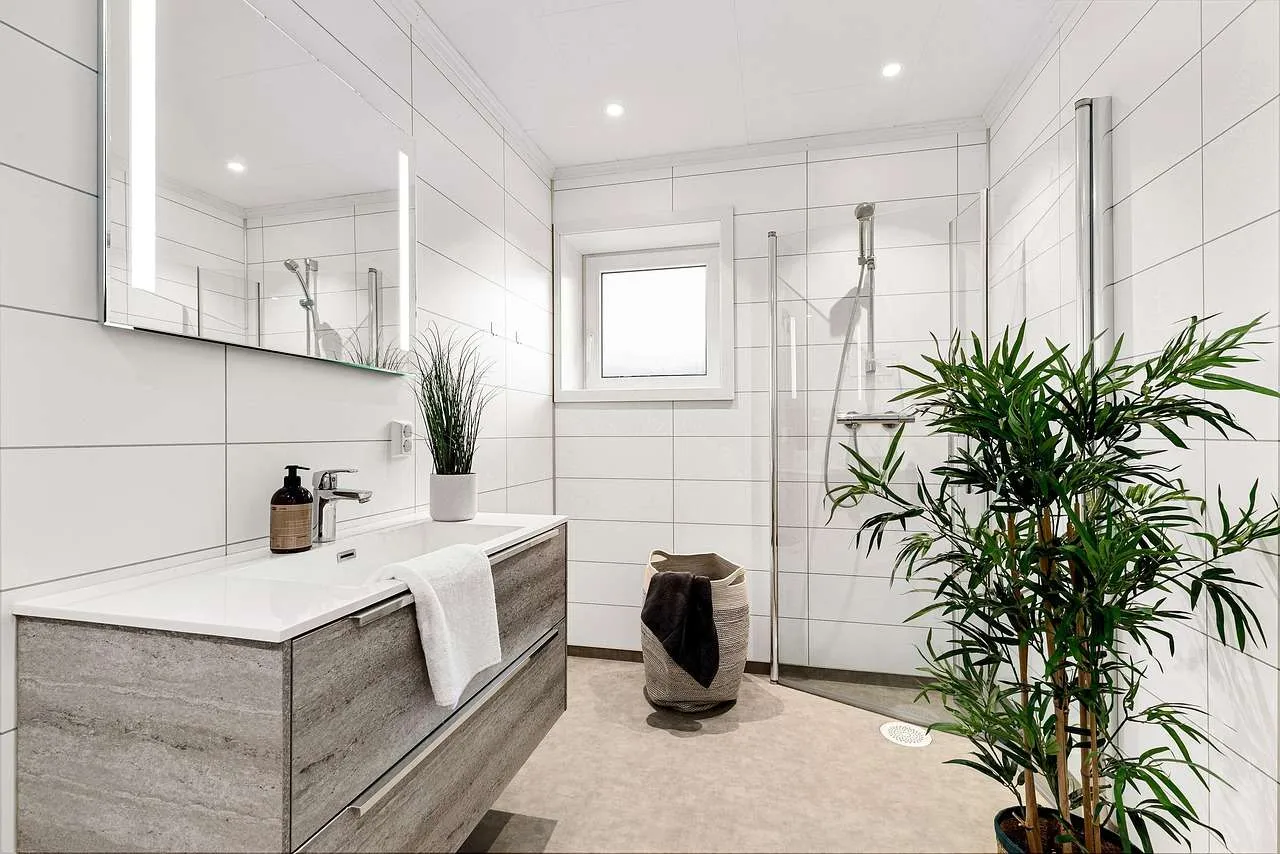
Patterns influence room perception as much as color. Common approaches include stacked and brick patterns for classic looks, herringbone for dynamic movement, and diagonal layouts to broaden a narrow space. Consider large-format tiles to reduce grout lines in small baths, or lighter grout with darker tile for bold contrast. Coordinate tile color with fixtures, vanity finishes, and cabinetry to create a cohesive scheme. When mixing textures (matte vs. gloss), ensure a consistent grout color to maintain harmony.
Installation basics and maintenance tips
Professional installation is key to performance. Prep the substrate to be flat and clean; use a compatible underlayment in moisture-prone areas; and select a mortar and adhesive appropriate for the tile material. For showers, use a waterproof substrate, proper slope, and epoxy grout in high-moisture zones to minimize staining and cracking. Routine maintenance includes wiping down surfaces, using pH-neutral cleaners, and resealing natural stone periodically. For grout, choose a color that minimizes staining and consider sealing products for added protection in porous tiles.
Grout color, caulking, and finishing touches
Grout color can dramatically influence the tile look. Light grout brightens and enlarges spaces, while dark grout anchors patterns and hides minor imperfections. In showers, caulk where walls meet ceilings or tub edges to prevent water intrusion. Epoxy grout offers superior stain resistance for wet areas but can be harder to work with; standard cementitious grout is easier to install but requires sealing and more vigilant cleaning in damp zones.
Cost, durability, and care considerations
Material costs vary widely. Ceramic tiles typically range from $1 to $5 per square foot, porcelain from $3 to $7, natural stone from $8 to $20, and glass from $7 to $25 per square foot, excluding installation. Labor costs add to the total, and waterproofing, surface prep, and sealing contribute to long-term value. Proper installation and routine maintenance extend tile life, protect investments, and minimize costly repairs later on.
| Material | Water Absorption | Durability | Maintenance | Estimated Cost (per sq ft) |
|---|---|---|---|---|
| Ceramic | Low-to-moderate | Moderate | Low | $1-$5 |
| Porcelain | Very low | High | Low | $3-$7 |
| Natural Stone | Varies | High (with sealing) | High | $8-$20 |
| Glass | 0% | Moderate | Low | $7-$25 |
Conclusion
Conclusion, selecting bathroom tile requires balancing durability, maintenance, cost, and style. By understanding materials, layouts, and care, you can create a timeless, functional bathroom that reflects your taste while standing up to daily use.